Media Literacy: Why It Matters More Than Ever
We live in a time where information is everywhere. News, opinions, ads, misinformation, screenshots taken out of context, AI generated content, and viral posts all compete for our attention in the same feed.
And most of us scroll through it all in seconds.
That is why media literacy is no longer optional. It is not an academic concept or something only journalists need. It is a life skill. One that affects how we think, what we believe, how we vote, how we spend money, and how we treat other people online.

What Media Literacy Actually Means
Media literacy is the ability to access, analyze, evaluate, and interpret media instead of consuming it passively.
In simple terms, it means asking:
Who made this?
Why was it made?
What is it trying to make me feel?
What might be missing?
Who benefits if I believe this?
According to UNESCO, media literacy helps people “understand how media messages shape our culture and society” and empowers individuals to think critically rather than react emotionally (unesco.org).
While you shouldn’t over-correct to the point of distrusting everything, you should be able to understand well how the media works so you can make informed decisions, react reasonably (if at all), and think critically.
Why Media Literacy Is Struggling Online
Social platforms can keep you informed and on top of the latest news; but above all else, today’s social media is designed to keep you scrolling.
Algorithms prioritise content that sparks strong emotional reactions, especially anger, fear, and outrage. This is why misinformation, rage bait, and misleading headlines often spread faster than calm, factual explanations.
MIT researchers found that false news spreads significantly faster than true news on social media, largely because it evokes stronger emotional responses (mit.edu).
When content is designed to trigger emotion first and reflection second, critical thinking takes a back seat.
How Misinformation Actually Hooks People
The reason discernment is crucial is because at first glance, most misinformation look as legit as they come. It looks familiar, shareable, and emotional.
Common tactics include:
Using screenshots without context
Cropping headlines to remove nuance
Presenting opinions as facts
Using confident language without credible sources
Playing on fear, outrage, or moral superiority
The goal is no longer accuracy in media; the true goal for most posters is engagement.
Once a post gets enough likes and shares, it gains perceived credibility. People also tend to assume something is true simply because it is popular or has been engaged with heavily.
Why Media Literacy Is Not Just About News
Media literacy also applies to:
Influencer content
Ads disguised as advice
Viral health or finance tips
AI generated images and videos
Political messaging
Marketing content
For example, sponsored posts are often framed as personal opinions. Algorithms blur the line between entertainment, advertising, and information. Without media literacy, it becomes difficult to tell where influence ends and manipulation begins.
The Center for Media Literacy explains that all media messages are constructed and carry embedded values, whether intentional or not (medialit.org).
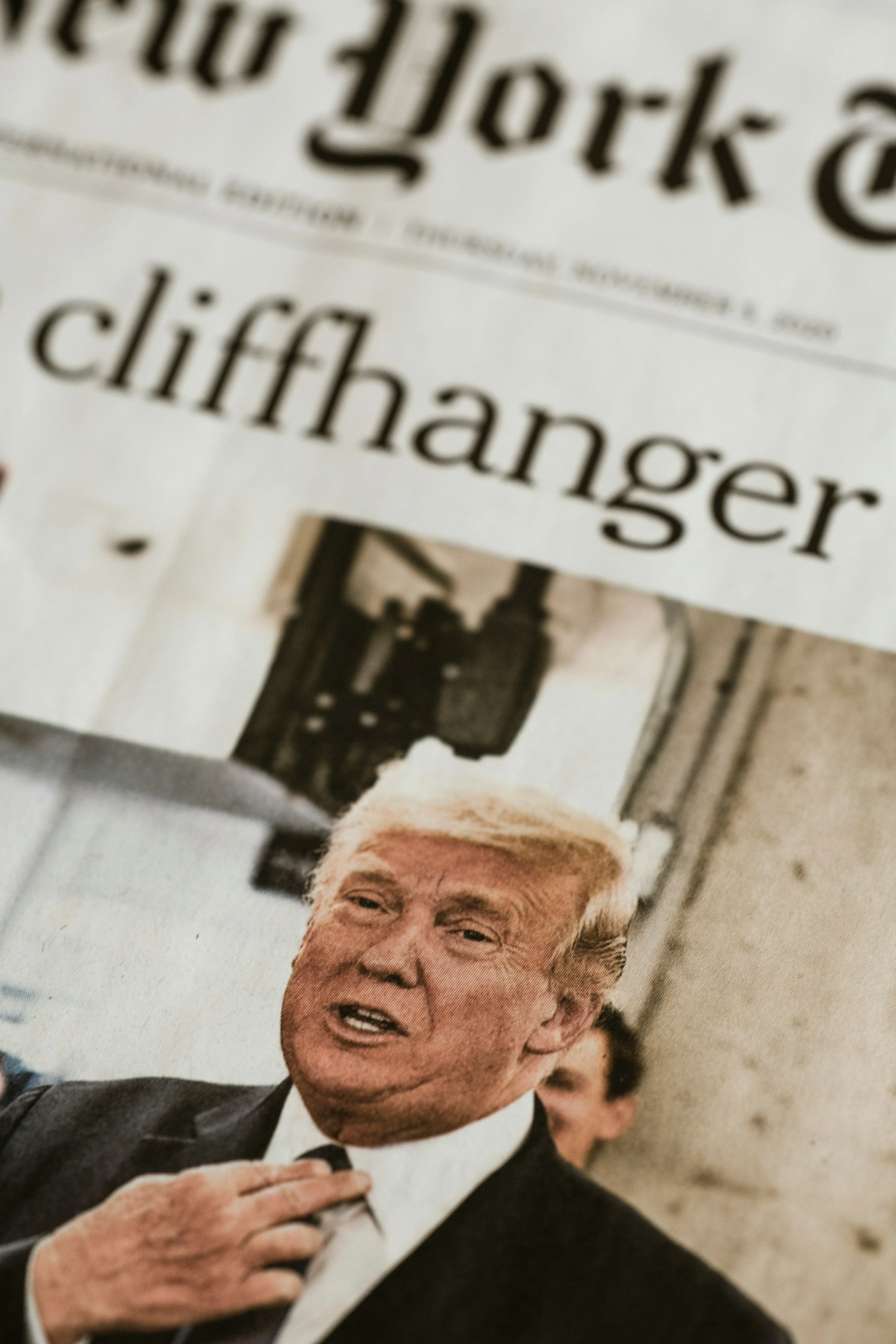
Simple Media Literacy Habits Anyone Can Build
You do not need to fact check everything like a journalist. Small habits go a long way.
Pause before sharing
If something makes you feel angry or shocked, that is a signal to slow down.
Check the source
Is it a credible organisation, a random account, or a repost without attribution?
Look for context
Screenshots and short clips rarely tell the full story.
Separate facts from opinions
Strong opinions are not evidence, even when confidently stated.
Ask who benefits
Is this trying to sell you something, influence your beliefs, or drive engagement?
These habits help you stay informed without becoming cynical.
Why Media Literacy Matters for Mental Health
Constant exposure to emotionally charged content can increase anxiety, anger, and helplessness. When people feel overwhelmed by information, they are more likely to disengage or become reactive.
Media literacy gives people back a sense of control. It helps filter noise, reduce emotional manipulation, and create healthier online boundaries.
The American Psychological Association has also highlighted how misinformation and emotionally charged media can impact mental wellbeing, especially among younger users.
The Role of Media Literacy in Marketing and Branding
For brands, media literacy matters heavily, too.
Audiences are becoming more aware of manipulation tactics. Therefore, brands that rely solely or heavily on shock factors, outrage, or misleading messaging may gain attention momentarily but lose trust long-term.
Media literate audiences value transparency, clarity, and honesty. They respond better to brands that respect their intelligence rather than exploit their emotions.
In the long term, trust always outperforms virality.
The Bottom Line
Media literacy is about reasonable suspicion and cynicism. Above all, it is about being thoughtful and critical of the things you see online.
In a digital world built to provoke reactions, media literacy helps us respond with intention. It allows us to stay informed without being overwhelmed, engaged without being manipulated, and curious without being careless.
The more we understand how media works, the more power we have over how it affects us.
And that matters more than ever.
